logo
Nhà
Sản phẩm
Về chúng tôi
Chuyến tham quan nhà máy
Kiểm soát chất lượng
Liên hệ với chúng tôi
Yêu cầu báo giá
Tin tức
Blog
Nhà Blog

Guide to IP67 IP68 and IP69K Ratings for Electronics

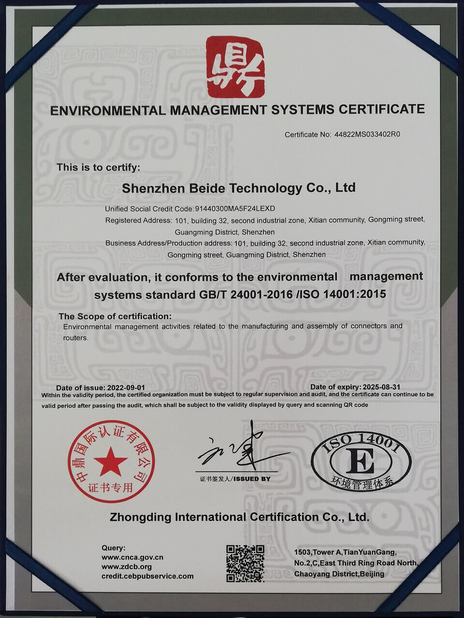
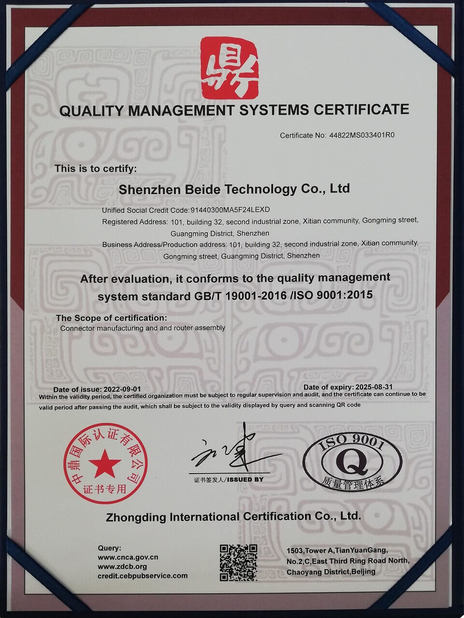
Chứng chỉ
Trung Quốc DONGGUAN BEDE MOLD AND PLASTIC FRODUCTS CO., LID Chứng chỉ
Khách hàng đánh giá
Chào Elissa, Đầu năm ngoái, một đồng nghiệp của tôi đã đặt hàng 20 cáp từ công ty của anh. Các dây cáp mà công ty anh làm cho chúng tôi hoạt động khá tốt, và tôi rất quan tâm đến việc sử dụng công ty anh để sản xuất nhiều dây cáp như vậy trong tương lai.

—— Matthew Goetzman

Giá cạnh tranh, dịch vụ chất lượng cao, chúng tôi sẽ hợp tác với bạn trong một thời gian dài!

—— Dongek Ilya

Tôi trò chuyện trực tuyến bây giờ
Công ty Blog
Guide to IP67 IP68 and IP69K Ratings for Electronics
tin tức mới nhất của công ty về Guide to IP67 IP68 and IP69K Ratings for Electronics

In the realm of electronics and industrial equipment, the ability of devices to resist intrusion from external environmental factors such as dust and water is critical. To quantify and standardize this capability, the International Electrotechnical Commission (IEC) established the Ingress Protection (IP) rating system. This article delves into three common IP ratings—IP67, IP68, and IP69K—exploring their differences, applications, and key considerations for device selection.

IP Ratings: Definition and Interpretation

The IP rating is an internationally recognized classification system that defines the degree of protection provided by an electrical enclosure against the intrusion of solid objects (e.g., dust) and liquids (typically water). Defined by the IEC 60529 standard, it offers a clear and objective benchmark for consumers and manufacturers to evaluate and compare the protective capabilities of different devices.

An IP rating consists of two digits, each representing a distinct level of protection:

First Digit: Solid Particle Protection

The first digit indicates the enclosure's resistance to solid objects, ranging from 0 to 6, with higher numbers denoting greater protection. Key levels include:

  • 0: No protection against solid objects.
  • 1: Protects against objects larger than 50mm (e.g., hands).
  • 2: Protects against objects larger than 12.5mm (e.g., fingers).
  • 3: Protects against objects larger than 2.5mm (e.g., tools, wires).
  • 4: Protects against objects larger than 1mm (e.g., small tools, wires).
  • 5: Dust-protected—limited dust ingress does not interfere with operation.
  • 6: Dust-tight—complete protection against dust ingress.
Second Digit: Liquid Ingress Protection

The second digit represents the enclosure's resistance to liquids, ranging from 0 to 9K. Higher numbers indicate superior protection. Key levels include:

  • 0: No protection against liquids.
  • 1: Protects against vertically falling drops of water.
  • 2: Protects against water drops at a 15° tilt.
  • 3: Protects against water spray at up to 60° from vertical.
  • 4: Protects against water splashes from any direction.
  • 5: Protects against water jets from any direction.
  • 6: Protects against powerful water jets.
  • 7: Protects against temporary immersion (15cm to 1m depth).
  • 8: Protects against prolonged immersion (depth specified by manufacturer).
  • 9K: Protects against high-temperature, high-pressure water jets.
IP67, IP68, and IP69K: Performance Comparison and Applications

IP67, IP68, and IP69K are among the most widely used IP ratings, with significant differences in liquid protection capabilities. Below is a detailed comparison of their features and typical use cases.

IP Rating Solid Protection Liquid Protection Common Applications
IP67 Dust-tight (6) Temporary immersion (7) Outdoor electronics, rugged smartphones, industrial sensors.
IP68 Dust-tight (6) Prolonged immersion (8) Underwater equipment, marine devices, high-end smartphones.
IP69K Dust-tight (6) High-pressure, high-temperature jets (9K) Food processing machinery, automotive components, sterilization equipment.

When selecting a device, it is essential to consider the specific environmental conditions it will encounter. For instance, IP67 is suitable for occasional exposure to water, while IP68 is ideal for continuous submersion. IP69K, on the other hand, is designed for extreme cleaning processes, such as those in the food and pharmaceutical industries.

By understanding these distinctions, professionals can make informed decisions to ensure the longevity and reliability of their equipment in demanding environments.

Pub Thời gian : 2026-03-05 00:00:00 >> blog list
Chi tiết liên lạc
DONGGUAN BEDE MOLD AND PLASTIC FRODUCTS CO., LID

Người liên hệ: Ms. admin

Tel: 15915396878

Gửi yêu cầu thông tin của bạn trực tiếp cho chúng tôi (0 / 3000)